CAESAREAN RECOVERY & SCAR SUPPORT
C-Section Scar Therapy North Wales
Providing specialist C-section scar therapy and Caesarean scar massage from my clinic in Llanddulas, North Wales.
Your Scar may may have healed but that doesn’t mean your recovery is finished
If your Caesarean scar feels tight, numb, raised,sensitive or simply not right,
specialist scar therapy from an Advanced Practice Midwife can help you understand
what is happening and what support may be appropriate.
You were told how to look after your caesarean section wound. Or were you?
Your scar is a permanent reminder of how your baby came into the world.
Most women leave hospital knowing to keep their Caesarean wound clean, watch for infection and avoid lifting too much.
Then the wound closes.
The postnatal checks reduce.
The focus moves almost entirely to the baby.
And very little is said about the scar that remains.
Often a scar has an impact such as becoming a source of daily pain, disconnection or dislike to this part of your body or even discomfort during intimacy,
and you have been told there is nothing to be done.
there is!
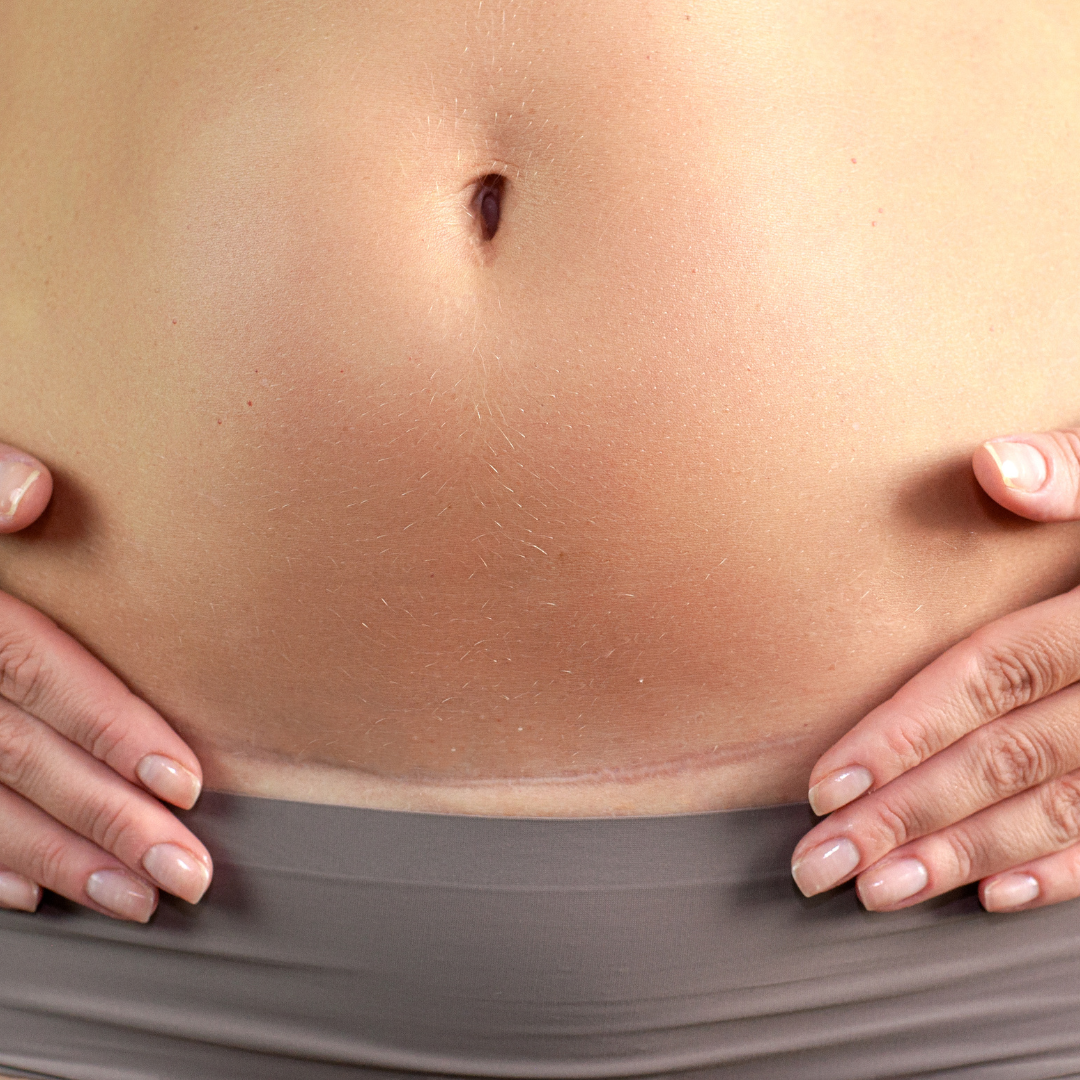
Your c-section scar is more than the line you can see...
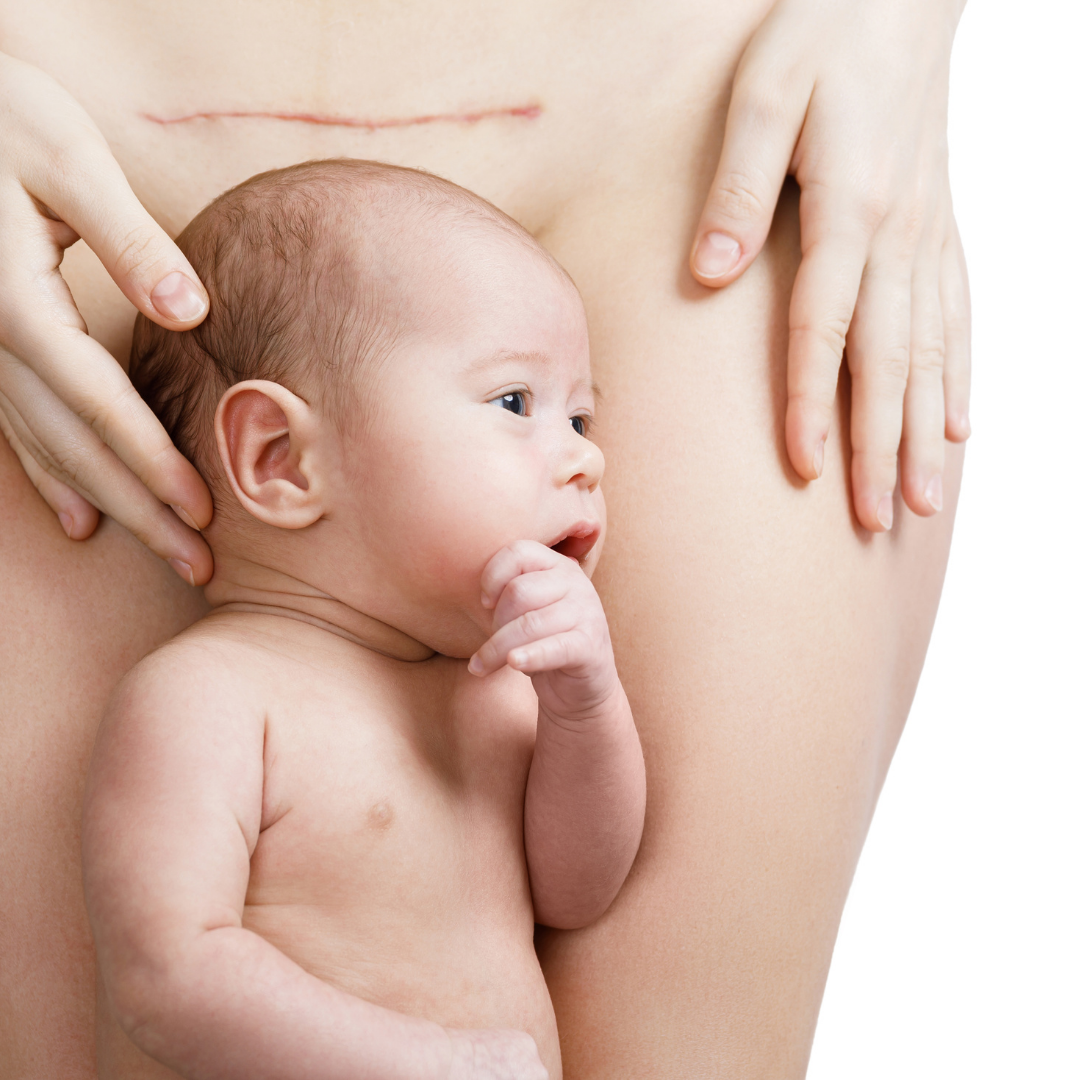
Looking at the whole picture: how your scar has healed, how it feels in your body, how the tissues around it move, and how you feel when you see or touch it is so important to your healing
Your scar continues to mature and change for many months after the skin has closed.
Sometimes the tissues remain soft and mobile. Sometimes they become tight or restricted. Sensation can change.
The scar may feel sensitive, numb, itchy or uncomfortable, and in some women it can become raised or thickened.
But I am not only interested in how your scar looks or how the tissues move.
I also want to understand how you feel about your scar.
Do you avoid touching it?
Do you feel disconnected from that part of your body?
Does looking at it bring up sadness, anger, fear, grief or memories of the birth?
Does it make you feel proud, conflicted, uncomfortable
or perhaps a mixture of all of those things?
Your scar is part of a physical healing process, but it can also hold meaning because of the birth attached to it.
What you may notice as symptoms of a Scar that requires treatment
pulls when you stand upright or stretch
feels tight or restricted
feels numb or strangely different from the surrounding skin
is sensitive to touch or clothing
tingles or itches
feels hard or thickened underneath
has become raised
feels uncomfortable when you exercise
feels difficult to touch
seems to affect the way your abdomen moves
simply doesn't feel right
Sometimes there isn't one clear symptom at all.
You just know that something around your Caesarean has never quite settled.
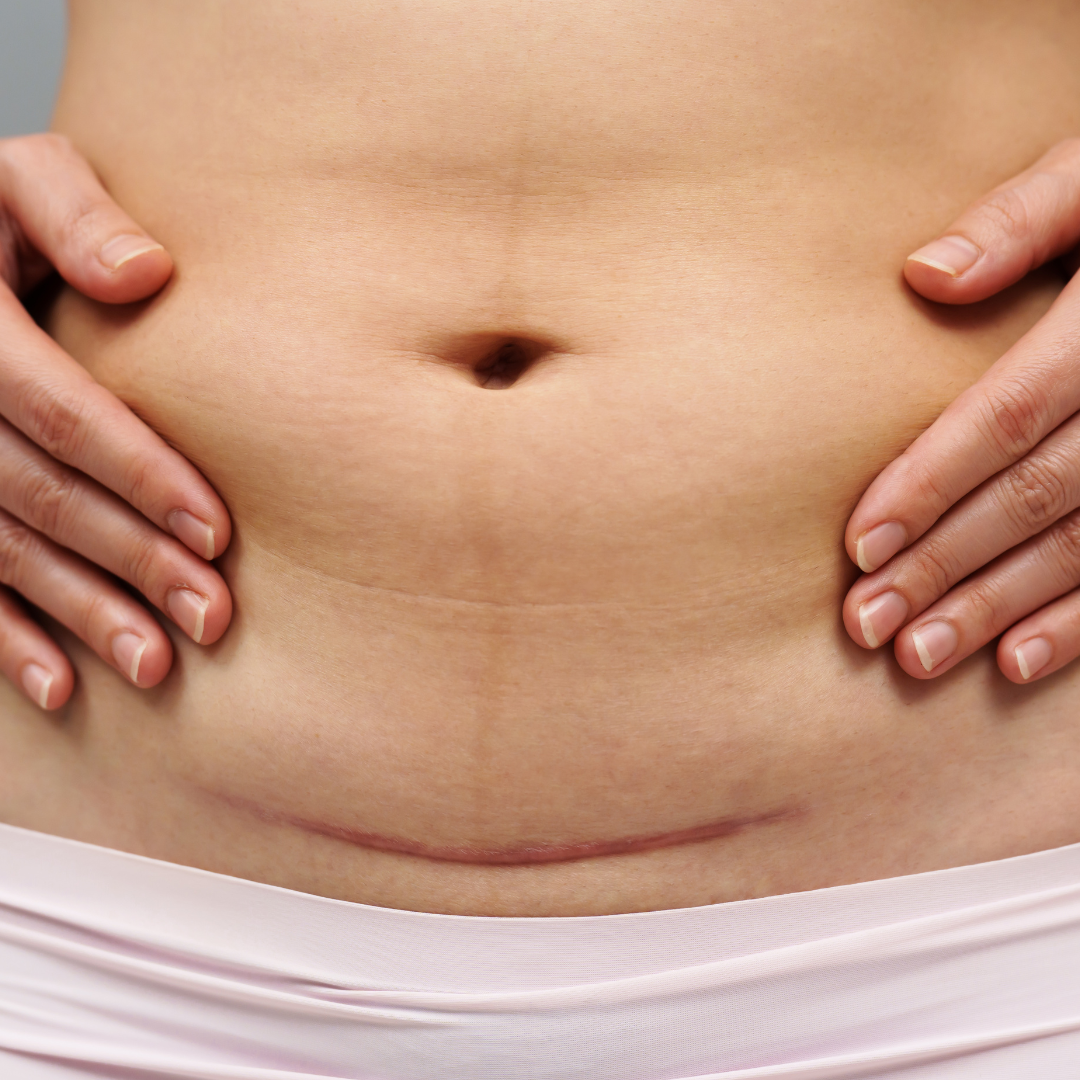
You do not need to wait until it becomes a major problem before having it assessed.
How Assessment & Treatment supports you...
Types of Caesarean Scars
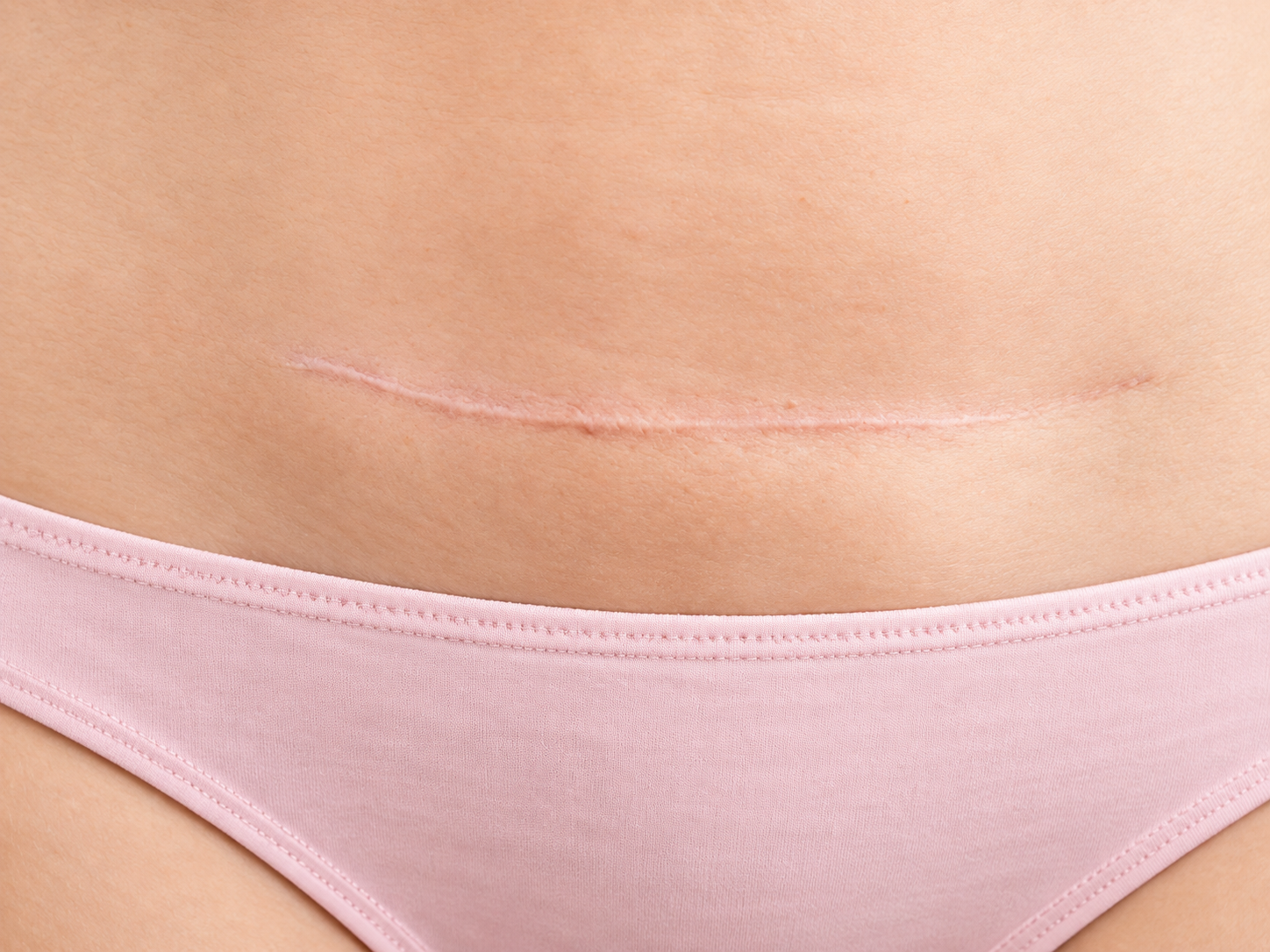
A Flat Line Caesarean Scar
A normally healing Caesarean scar will often start out pink or red and may feel firmer than the surrounding skin. Over time, it usually becomes flatter, softer and paler as the scar matures.
Sensation may also change as healing continues, and some numbness or sensitivity can be normal in the early stages.
The important thing is that the scar gradually settles rather than becoming increasingly raised, thickened or extending beyond the original incision.
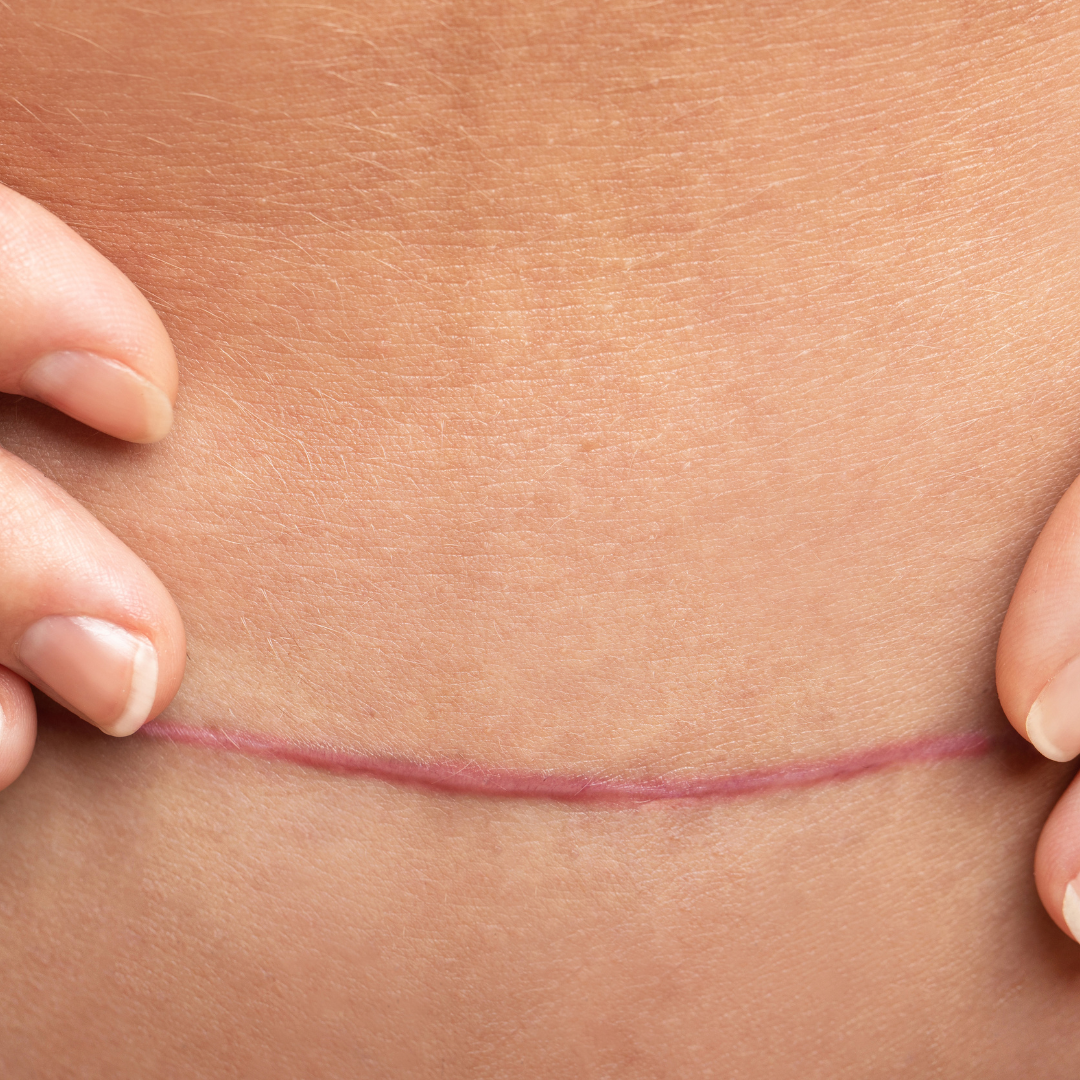
A Hypertrophic Caesarean Scar
A hypertrophic scar is a scar that has become raised, thickened and often redder than the surrounding skin, but it stays within the original scar line.
This happens when the body lays down too much collagen as it heals, creating a scar that can look a little rope-like or more prominent than expected.
Hypertrophic scarring is common, which is why early scar care and the right treatment can make such a difference.
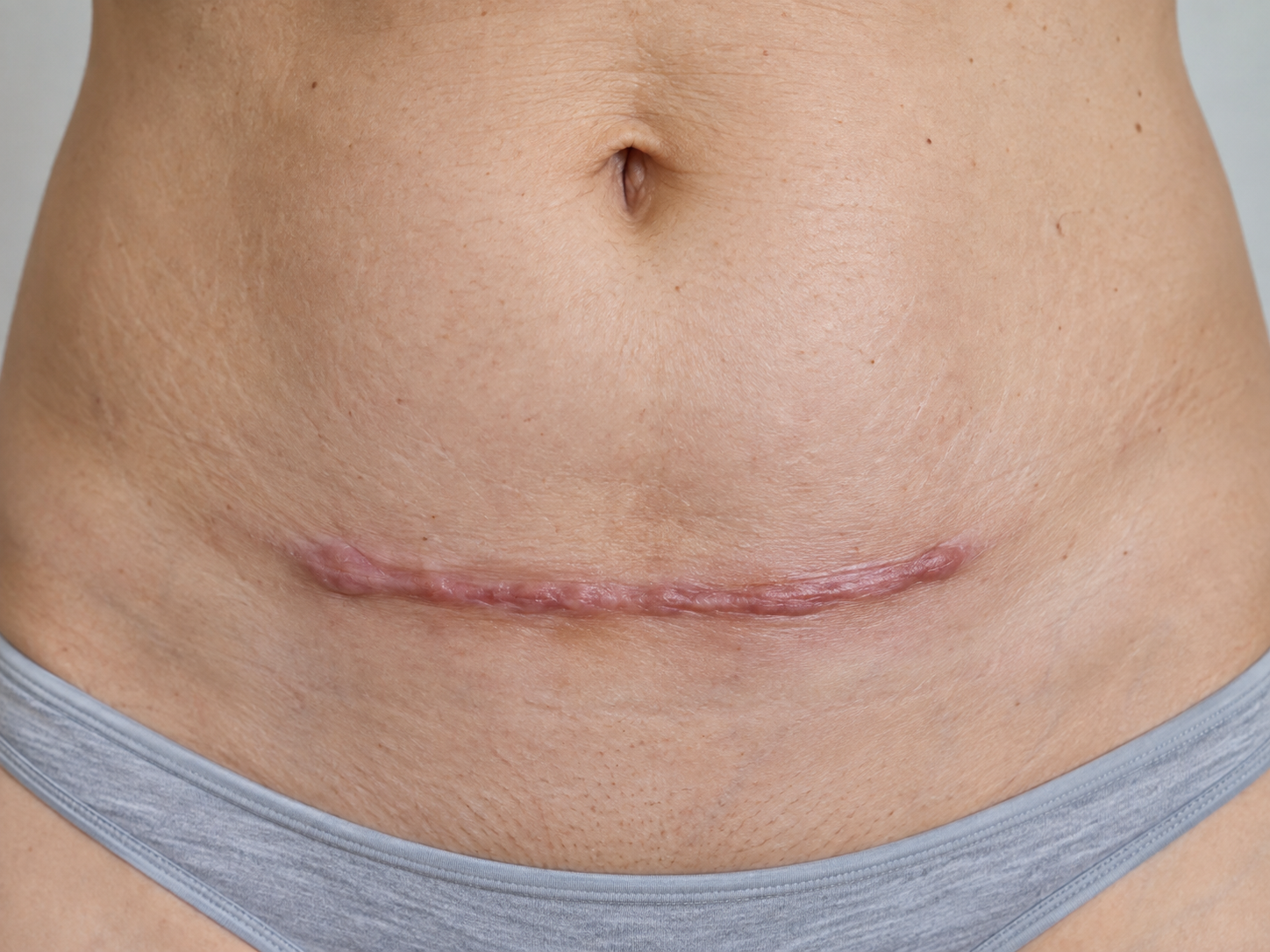
A Keyloid Caesarean Scar
A keloid scar is different because it does not stay neatly within the original incision line. Instead, the scar tissue can grow beyond the edges of the original wound, becoming raised, thickened and sometimes larger over time.
Keloid scars may also feel itchy, tender or uncomfortable.
If your Caesarean scar is growing beyond the original incision, becoming increasingly raised or changing in a way that concerns you, it is worth having it looked at as treatment will be very beneficial
Some people are more likely to develop keloid scarring than others, particularly those with a personal or family history of keloids and people with darker skin tones.
Problems during early healing (such as infection, inflammation or delayed wound healing) are also important factors when assessing how a scar has developed.
Your C-Section scar is more than the line you can see...
Your scar continues to change long after the surface of your Caesarean wound has closed.
Research following surgical scars has found that hypertrophic scarring can develop relatively early in the healing process.
In one study, 60% of patients developed a hypertrophic scar during the first year, and almost all of those scars appeared within the first three months. Of the scars that were already hypertrophic at three months, only around half had naturally flattened by twelve months.
If you are not sure what kind of scar you have, you do not need to diagnose it yourself.
That is part of the assessment.
Women should know how to look after their Caesarean scar
rather than simply being told that once the wound has closed, nothing else needs to happen.
Early scar care is about recognising what is normal, noticing when a scar is becoming increasingly raised, firm, restricted or uncomfortable, and knowing when additional support may be helpful.
This is particularly important if your wound has taken longer to heal,
you experienced infection or inflammation,
you have previously developed raised scars,
or there is a family history of keloid scarring.
The aim isn't to prevent every scar from changing because scar formation is a normal part of healing.
It is to give your scar the best conditions in which to mature well
and to recognise early when it may need additional support.
Are you ready for Scar Therapy...
Many women don't know this help exists.
If you have been living with scar pain, pulling, numbness, or discomfort since your birth and have been told it's just something you have to live with
Most women who come to me for scar work have never been told that treatment is possible.
It is, and it can make a profound diference to your comfort, your confidence,
and your relationship with your body. It can be life transforming.
It takes 3 Simple Steps...
Step 1

Book your Assessment
We begin with a conversation about your Caesarean, how your wound healed and what you have noticed since.
Step 2
I begin working with you to help your Scar
I assess your scar, the surrounding tissues, movement, sensation and how the scar feels to you. Where appropriate, your first treatment begins during this appointment
Step 3

We Work Through it At YOUR pace
Every scar responds differently. We review your progress together and work to a treatment plan, including home care and specialist scar support
Which Option Is Right For You ...
Initital Caesarean Section Assessment & Treatment
Understand how your scar has healed and what it needs now.
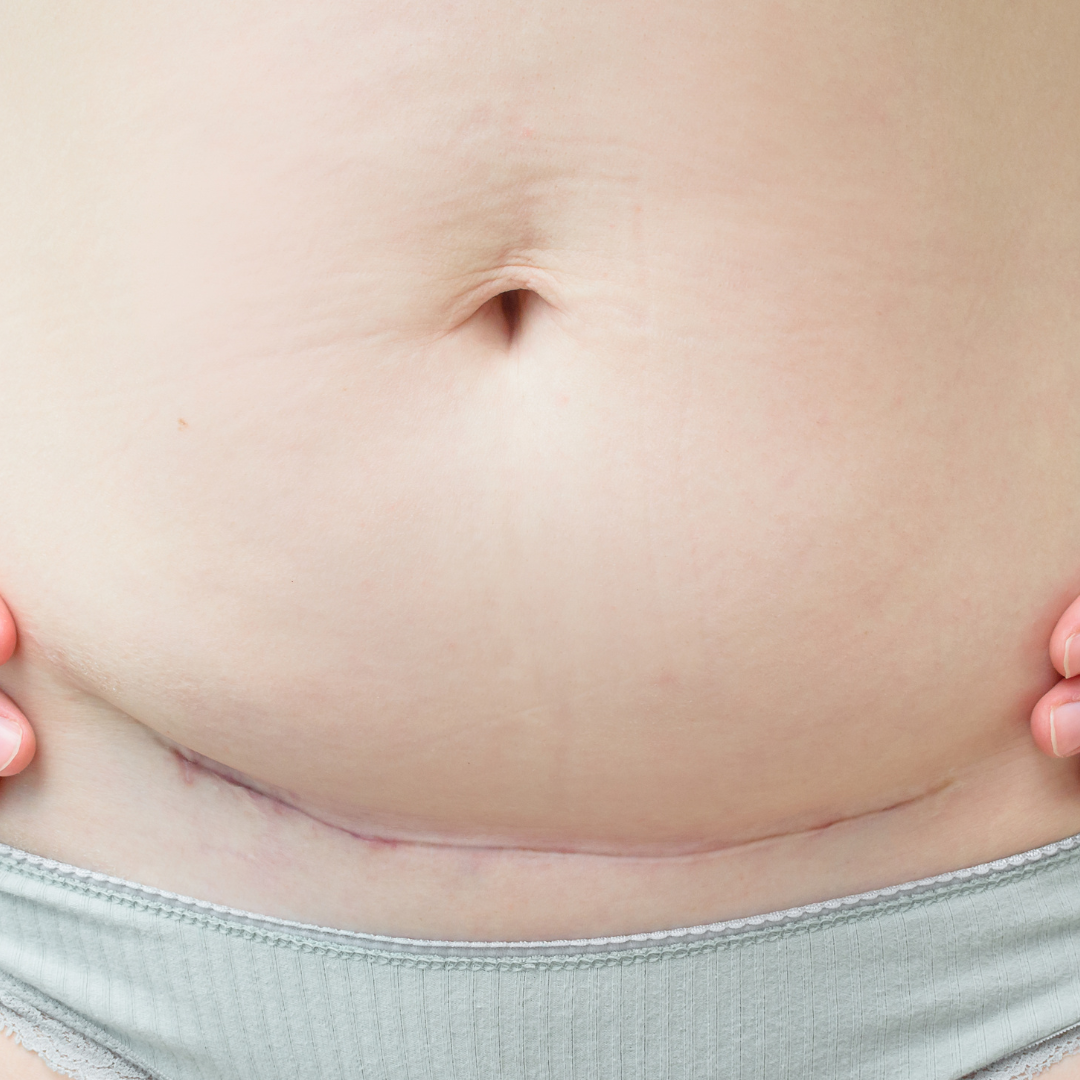
Your first appointment gives us time to talk about your Caesarean birth and wound healing before I assess the scar, the surrounding tissues, movement, sensation and any areas of restriction. Where appropriate, your first treatment begins during this appointment.
Comprehensive Caesarean scar assessment
Birth & wound-healing history
Specialist hands-on scar treatment where appropriate
Personalised home scar-care guidance
£125
Caesarean Section Scar Therapy Follow-Up Treatment
Ongoing specialist treatment shaped around how your scar responds.
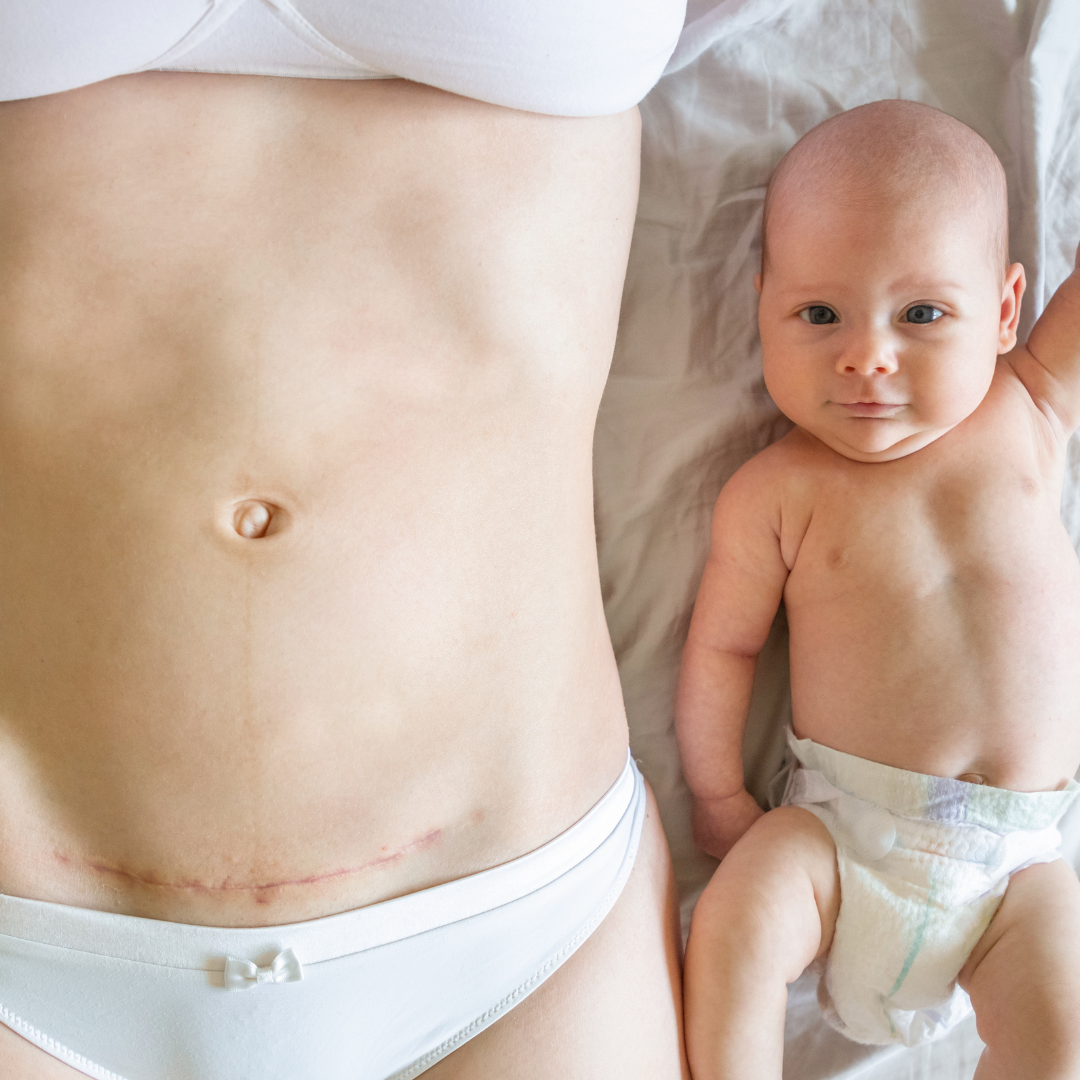
Every scar is different. At each appointment we reassess what has changed and continue working with the areas that still need support, rather than following a predetermined number of treatments.
Review of your scar and progress
Specialist scar mobilisation & massage
Massage, micro-cupping and/or acupuncture where appropriate
Updated home-care advice as your scar changes
£95
Real Transformation Results From
Scar Therapy In Clinic
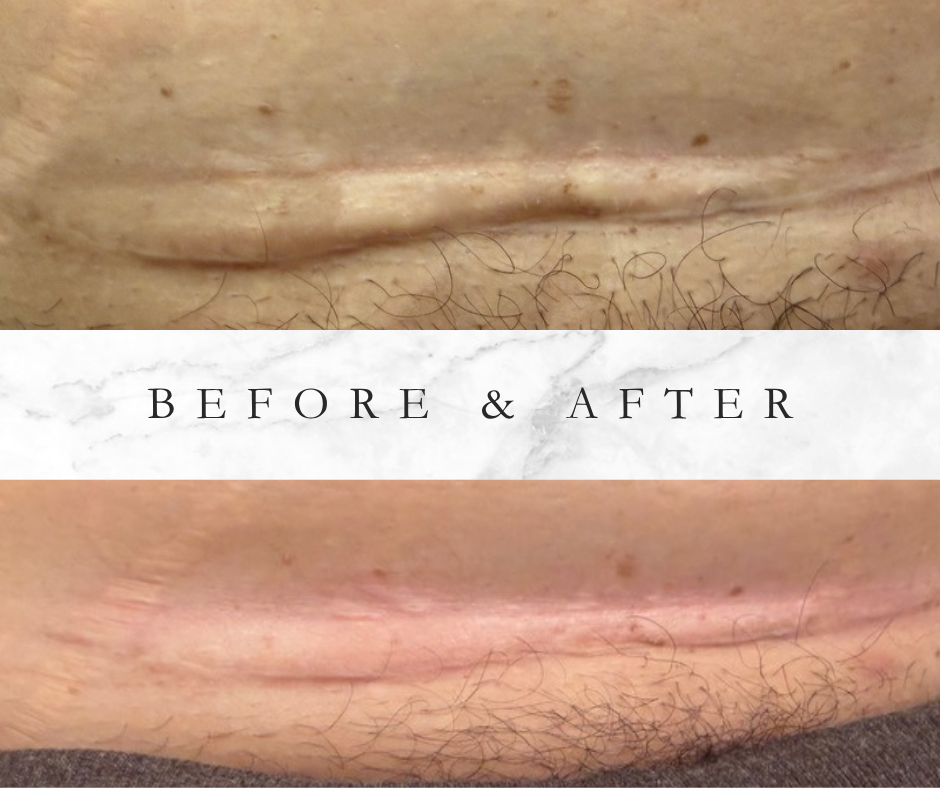
This is an image of a Lady with a 7 year old scar. Numbness, slight tenderness to the side, feels like it pulls and to the touch has a lot of 'bumpy' tissue beneath.
This was a first treatment before and after photo
YES - results after 1 treatment in clinic
You can see the scar is flatter, smoother and significantly less tissue felt beneath.
Connect with us
(+44) 07464 627572
(+44) 07464 627572
Hours of Business
Mondays: 09:00 - 18:00
Tuesday: Closed
Wednesday: 09:00 - 14:30
Thursday: Closed
Friday: 09:00 - 14:30
Saturday: Closed
Sunday: Closed

Natural Fertility and Pregnancy
Rofft, Isallt Road, Lllanddulas, Abergele
Conwy. North Wales. LL22 8ND


Contact Us
If you have a question, can't find what you are looking for or just want support, please reach out through the form below. We aim to respond within 24 hours
Supporting women and couples in Abergele, Llandudno, North Wales and surrounding areas in person. Online UK wide and internationally.