BIRTH TRAUMA SUPPORT FOR WOMEN…
When the Birth Is Over,
But Part of You Is Still There
You deserve to feel safe in your story again
Specialist birth trauma assessment, treatment and recovery with a registered midwife, helping you process what happened, reduce the flashbacks, fear and emotional distress, and remember your baby’s birth without feeling as though you are still living through it.
Life After a Traumatic Birth Can Feel Nothing Like You Expected
For some women, there is no question that the birth was traumatic. You may have experienced a life-threatening emergency, severe injury, haemorrhage, intensive care, baby loss or the terrifying possibility that you or your baby might die.
For others, the trauma came from being ignored, frightened, powerless or violated during their care. Procedures may have happened without adequate explanation or consent, you may have felt unable to make decisions, or perhaps you repeatedly said that something was wrong and nobody listened.
However it happened, you may now be home with your baby while part of you remains caught in what you experienced. You expected to be recovering from birth and finding your way into motherhood. Instead, you may be trying to understand why you still do not feel safe or like yourself.
You do not have to continue living through the birth long after it has ended.
What Birth Trauma Can Feel Like
"I keep replaying what happened."
Particular moments, sounds, faces or words may return without warning. An alarm, a hospital smell, somebody else’s birth story or even driving past the hospital can take you straight back to the room.
“I don’t feel like myself anymore.”
You may feel anxious, angry, irritable or constantly alert to danger. Alternatively, you may feel numb or disconnected, going through the motions of everyday life without feeling fully present within it.
“I should have done something differently.”
Perhaps you question whether you should have spoken up, refused an intervention or recognised that something was wrong sooner. Yet you were making decisions while vulnerable, frightened, in pain and dependent upon others for information and care.
“I love my baby, but I’m not enjoying being a mum.”
Birth trauma can exist alongside enormous love for your baby. Feeling affected by the birth does not make you ungrateful, and it does not mean that you are a bad mother.
“I don’t know whether I could ever give birth again.”
You may want another baby but feel unable to face another pregnancy or birth. Trauma can also affect intimacy because the possibility of becoming pregnant no longer feels emotionally safe.
You Are Not Alone, and
You Should Not Be Expected to Simply Get Over It
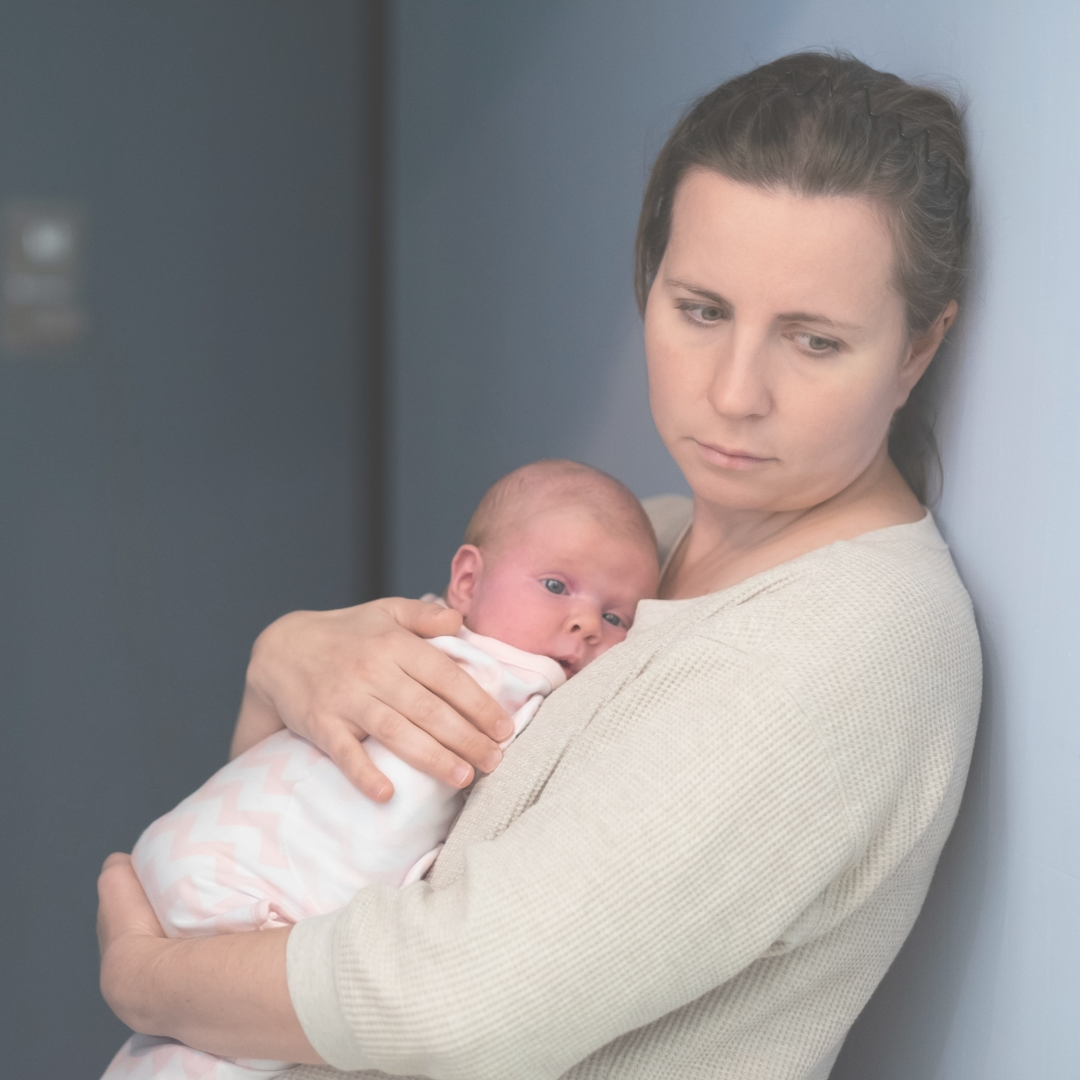
You might recognise some of this:
Your baby got stuck on the way out and everyone's tone changed (shoulder dystocia)
You started bleeding and it wouldn't stop (haemorrhage)
You were rushed into theatre with no time to process it (emergency caesarean), maybe your thought you had had your womb removed or your baby didn't make it?
your baby wasn't breathing when they were born and had to be 'worked on (resuscitated)
your baby was taken straight to intensive care
Doctors used something to get your baby out and you felt helpless.
Something went wrong that nobody had warned you was even possible
You lost your baby, or very nearly did
“Following my traumatic birth and a month spent in three different hospitals, including time in intensive care, I couldn’t function. I wasn’t living my life or enjoying being a new mum because the trauma consumed all of me and every aspect of my life.
I kept asking where I could go for help, but I was always given lists of self-help websites. I was so relieved when I found Samantha. Working with her was a no-brainer because she is also a midwife. I knew she would understand the medical side of what had happened without me having to explain why it had been so frightening.
I can now talk about my birth much more easily. I want to talk about it now so that I can help other women.”
Ffion,
(Birth Trauma Recovery Client)
The Stark Findings of Birth Trauma
Research suggests that as many as one in three women find some aspect of giving birth traumatic, while approximately 4–5% develop post-traumatic stress disorder following childbirth (around 30,000 women in the UK every year).
A 2026 Birth Trauma Association survey of 903 people already affected by birth trauma found:
82% experienced anxiety
75% experienced flashbacks or nightmares
67% experienced hypervigilance (on alert)
43% had received a PTSD diagnosis
A healthy baby does not mean that you were unharmed. Your safety mattered too.
“I thought that maybe what I went through was normal, not really traumatic enough for me to qualify for any other treatment. So I tried to just get on with it. It was still affecting my daily life two years later.”
You may have compared your experience with somebody else’s and decided that theirs was worse. Perhaps you were told that you and your baby were healthy, that birth rarely goes according to plan or that the most important thing was the outcome.
You may even have sought help but felt that the support offered did not address what you were actually experiencing.
Birth trauma is not determined solely by what happened on the day of your baby's birth. It is also shaped by how frightened, powerless, exposed, unheard or unsafe you felt while it was happening.
You do not need to prove that your birth was bad enough. If it is still affecting you, it deserves attention.
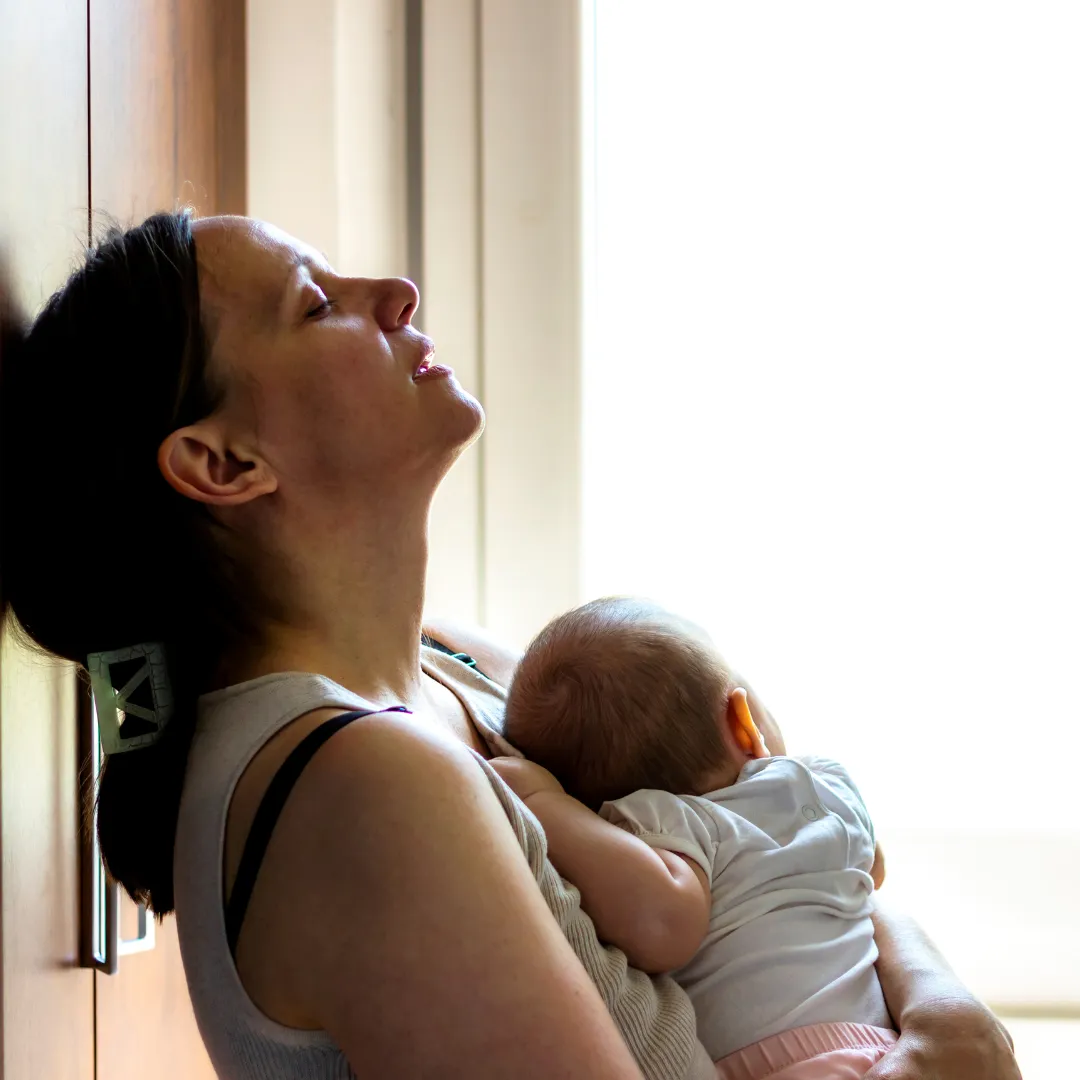
You Need Support That Understands Both Birth and Trauma
As a registered midwife specialising in birth trauma, I understand the clinical side of pregnancy and birth as well as the emotional impact that can remain long afterwards. You can tell me what happened in your own words, knowing that I will understand both the medical events and what they meant for you.
Together, we can make sense of the parts of your experience that have left you with unanswered questions, while working through the fear, flashbacks and distress that may still be affecting your life.
You will not be expected to relive every moment or tell your story again and again. This is about helping what happened feel like something that is in the past, so you can remember your baby’s birth without feeling as though you are back there living through it.
How I can help
As a registered midwife specialising in birth trauma, understanding both what happens during birth and the lasting emotional impact it can have on every member of the family is key.
This isn't about telling you to 'talk about your feelings'.
Nor it is about what the notes say about 'what happened'.
This is about understanding how you experienced the situation and understanding
HOW this has affected you and helping your brain to
stop the relentless torment for what happened to you during the experience.
It takes 3 Simple Steps...
Step 1
Book your FREE
30 min Consultation
We begin with a confidential conversation about how the birth has been affecting you and what you would like to change. There is nothing to prepare and no pressure to continue.
Step 2
We Make Sense of What Happened
During your assessment, we explore your experience, the way it is affecting your life now and, how I can support you to process, heal and move on from your birth.
Step 3

We Work Through it At YOUR pace
Across three personalised online sessions, we work with the aspects of the experience that remain emotionally significant, helping to reduce the distress attached to the memory.
Which Option Is Right For You ...
FREE 30 minute Call
If you are unsure what you need, how to get back to 'you' before the birth
or whether this is right for you

You may not have been the patient. You may not have been the one giving birth. But you were there. You witnessed something that changed you.
You don't have to keep carrying it in silence.
Whether the birth happened six weeks ago or sixteen years ago, it's never too late to begin making sense of what happened and move forwards.
You Mattered that day TOO
Online Birth Trauma Recovery
Personalised assessment, treatment and support, built around what happened to you and how it continues to affect your life.
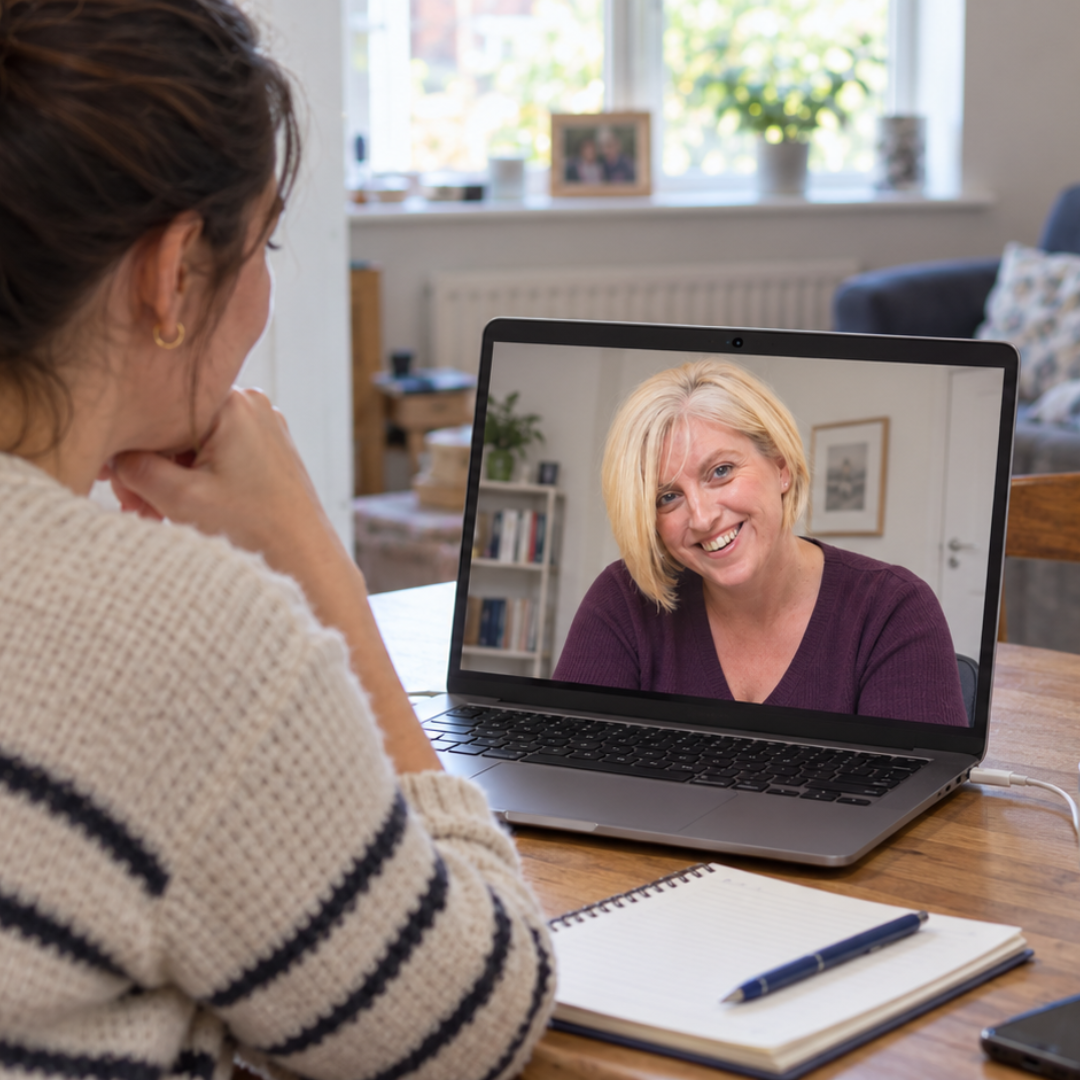
assessment, treatment and support, online built entirely around what happened to you. We make sense of it together, work through it at your pace, and by the end the birth has stopped being something you're still living through and become something that happened.
£450
How Assessment & Treatment supports you...
Reduce flashbacks and intrusive memories, so the birth becomes part of your story rather than something you re-live.
Ease anxiety and hypervigilance, helping your nervous system recognise that the danger has passed and processing the memory so you remember without the emotional turmoil
Rebuild confidence — in yourself, in your relationship, and, if you choose, in the possibility of having another baby some day and being there without the anxiety and fear you are currently experiencing.

What Happens if Nothing Changes?
You may have already spent months or years hoping that time would make the feelings disappear. Sometimes they lessen, but for many women the birth continues to shape their sleep, relationships, confidence, healthcare decisions and willingness to have another baby.
You may avoid discussing it because talking feels overwhelming, while simultaneously feeling that nobody understands. The longer this continues, the more normal living around the trauma can begin to feel.
Seeking support is not about erasing the birth or pretending it did not matter. It is about preventing what happened then from continuing to determine how you experience your life now.
Can I have birth trauma even though my baby is healthy?
Yes. Feeling grateful that your baby is healthy does not cancel what happened to you. Your physical and psychological safety also mattered during the birth.
Is birth trauma the same as postnatal depression?
No, although they can overlap and some women experience both, which is why Birth Trauma is very often misdiagnosed as Post Natal Depression (PND) or even Baby Blues in the first few days. Birth trauma commonly involves intrusive memories, flashbacks, avoidance and feeling that the danger has not fully passed. You do not need to identify the correct label before asking for support.
Do I need a PTSD diagnosis?
No. You do not need a formal diagnosis to contact me or to receive birth trauma support.
I independently assess your birth trauma levels and needs and am able to successfully support you to recover from this experience, even if you have a neurodivergent condition.
Will I have to describe the whole birth in detail?
No. You remain in control of what you share, and you will not be forced to relive every moment. We work at your pace and focus on what continues to affect you now.
Samantha has specialist advanced training on non-disclosure techniques.
Can birth trauma affect bonding with my baby?
Yes. When your mind and body remain focused on threat or survival, it can be difficult to relax and feel emotionally present. This does not mean that you do not love your baby.
Why am I frightened of having another baby?
Your mind may now associate pregnancy and birth with danger. Processing the previous experience can help you consider your future from a place of choice rather than allowing trauma to make that decision for you. If you have trauma from a pregnancy it can contribute to difficulties in getting pregnant again often called 'secondary infertility'.
Can you help me understand what happened medically?
Where appropriate, I can help you understand maternity and medical terminology and the clinical events surrounding your experience. This is not a formal NHS birth debrief, medical diagnosis or legal opinion, but it can form part of making sense of what happened. You are also able to request a copy of the documentation kept while you were giving birth.
Does it matter how long ago the birth happened?
No. However, in the few weeks after you give birth, your mind can (through your own life experiences) support you through this. If, by the time your baby is about 4-8 weeks old, it is unlikely you will be able to support yourself without some support.Women can experience the effects of birth trauma months, years or even decades later. It is never too late to seek support.
Connect with us
(+44) 07464 627572
(+44) 07464 627572
Hours of Business
Mondays: 09:00 - 18:00
Tuesday: Closed
Wednesday: 09:00 - 14:30
Thursday: Closed
Friday: 09:00 - 14:30
Saturday: Closed
Sunday: Closed

Natural Fertility and Pregnancy
Rofft, Isallt Road, Lllanddulas, Abergele
Conwy. North Wales. LL22 8ND


Contact Us
If you have a question, can't find what you are looking for or just want support, please reach out through the form below. We aim to respond within 24 hours
Supporting women and couples in Abergele, Llandudno, North Wales and surrounding areas in person. Online UK wide and internationally.